
Gaston County Background Check
Gaston County is west of Charlotte in the Piedmont region of North Carolina. The county seat is Gastonia. As part of the greater Charlotte metro area, Gaston County has a sizable population and an active court system. Public records are maintained by the Clerk of Superior Court, the Sheriff's Office, and the county government. Criminal case files, arrest records, and court documents are open for public review. This page explains how to search for background check records in Gaston County through local and state channels.
Gaston County Clerk of Superior Court
The Clerk of Superior Court is the primary office for court records in Gaston County. The office is in the Gaston County Courthouse in Gastonia. Criminal cases, civil filings, and other legal matters are filed here. Walk-in visitors can use self-service terminals to look up case records at no charge. These searches are not certified but show what is on file.
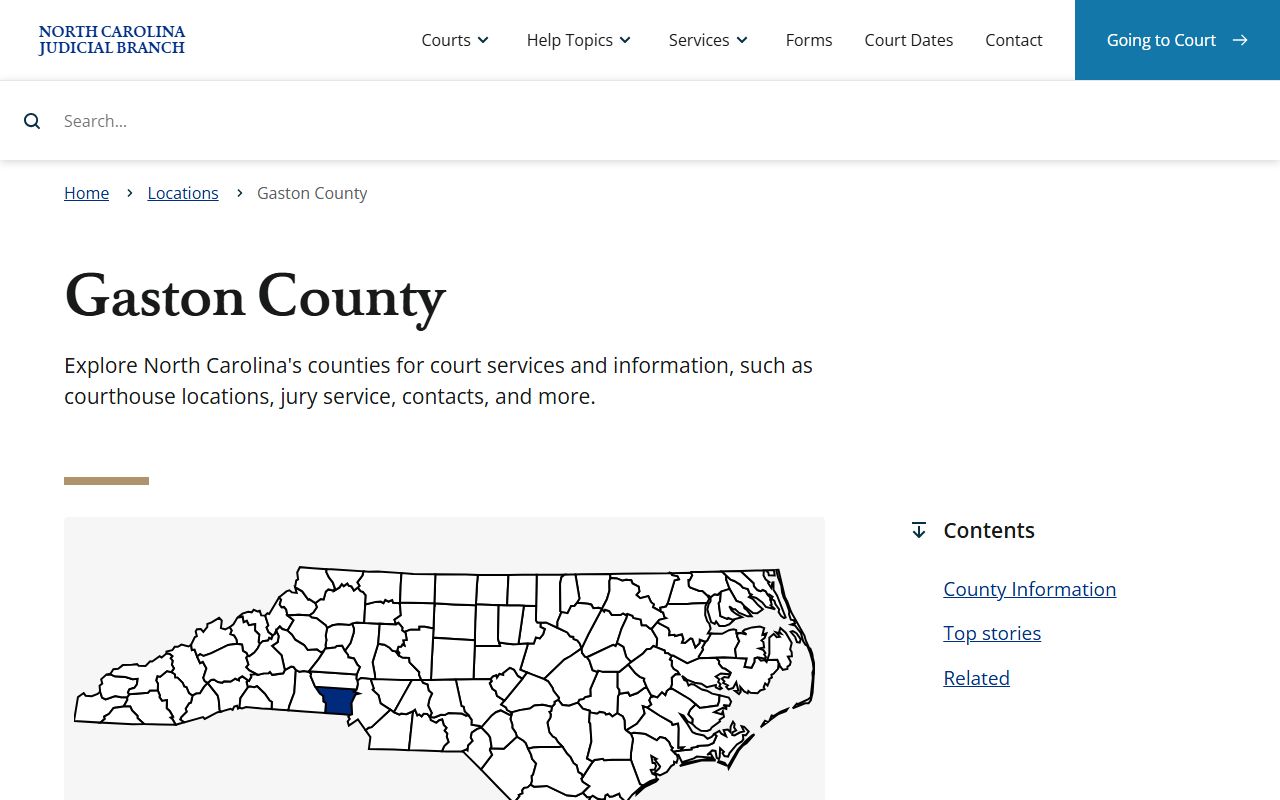
Below is the Gaston County Clerk of Court page on the NC Courts website.
A certified search requires Form AOC-CR-314 and a $25 fee. The certified copy bears the court seal and can be used as an official document. This search covers only cases filed in Gaston County. If you need records from Mecklenburg County or other nearby areas, you would need separate searches.
When you visit the Gastonia courthouse, bring a photo ID and plan for some wait time, as Gaston County is a busy court. The self-service terminals are in the public area, and no appointment is needed. For a certified search, hand in your form and fee at the clerk's window. You can also send a request by mail. Include a filled-out AOC-CR-314 form and a $25 check or money order. Mail it to the Gaston County Clerk of Superior Court in Gastonia. The clerk will process the search and send results back to you. Allow one to three weeks for mail requests.
Note: Gaston County is adjacent to Mecklenburg County, so a person with ties to both areas may have records in either jurisdiction.
Gaston County Government
The Gaston County government website is the official portal for county services. It includes links to the sheriff's office, the clerk, and other county departments. You can find addresses, phone numbers, and office hours for all county offices.
Here is the Gaston County government home page.
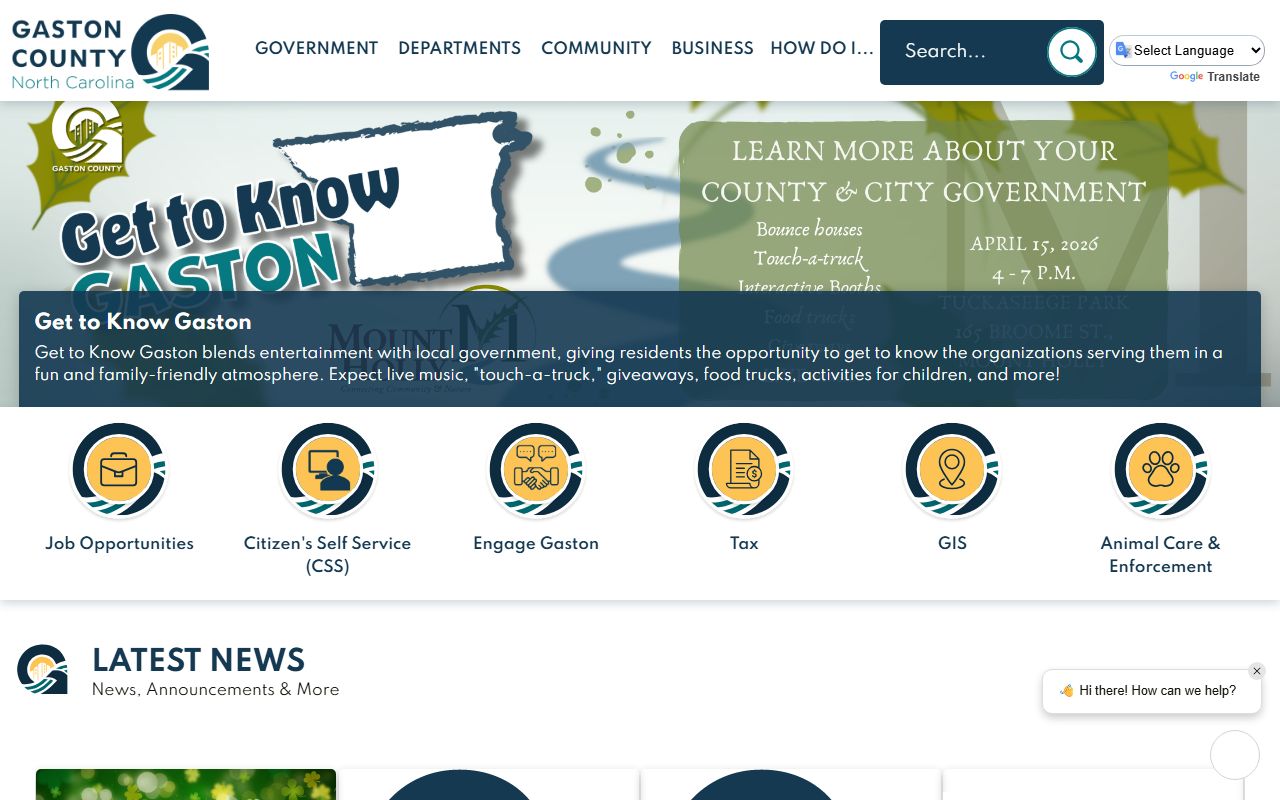
The county website is a helpful starting point before visiting any office in person. It can save you time by confirming hours and locations. For background check purposes, the clerk and sheriff pages are the most relevant sections of the site.
Gaston County Sheriff's Office
The Gaston County Sheriff's Office handles law enforcement across the county. The office covers areas outside city limits and manages the county detention center. Gastonia has its own police department, and several other towns in the county have their own police forces as well. The sheriff handles everything else.
Arrest records from the sheriff's office are public. Booking data, warrant information, and incident reports are all accessible under North Carolina law. Once charges are formally filed, the case moves to the court system. The clerk's office holds all filed cases, whether the arrest was made by the sheriff, Gastonia police, or another local department.
Background Check Through State Resources
The NC State Bureau of Investigation maintains the statewide criminal history file. The SBI was founded in 1937 and stores records from all 100 NC counties in the Computerized Criminal History file, known as CCH. A statewide search catches records that a Gaston County search alone would miss.
You can request a name-based or fingerprint-based check. Name-based results come back fast. Fingerprint checks use the SAFIS network and match prints to a specific person. SAFIS stands for the Statewide Automated Fingerprint Identification System. This is the most reliable way to avoid false matches. The NC Courts background check page has full details on both options.
Gaston County borders Mecklenburg, Lincoln, and Cleveland counties. Charlotte is a short drive away. Many people in this area have ties to multiple counties. A statewide SBI check is the best way to capture records across all of them.
The NC eCourts portal is being phased in statewide. Once live for all case types, it will let you look up Gaston County court records from a computer or phone. This can save a trip to the courthouse for basic lookups. Check the NC Courts website for the latest on which types of data are in the system. Until the full rollout is done, in-person and mail searches at the Gastonia courthouse remain the most thorough local options.
Note: The SBI statewide search covers all 100 NC counties in a single request.
Free Online Lookup Tools
Free state databases can support a Gaston County background check. Here are the main tools:
- The NC Sex Offender Registry lets you search by name or address
- The NC DPS Offender Search covers state prison records
- Self-service terminals at the Gaston County Courthouse offer free case lookups
- The Gaston County government website provides contacts for local offices
The sex offender registry is run by the SBI and updated regularly. The DPS offender search shows current and past inmates, including charges and release dates. Both are free and open to the public. They provide a different set of data than what you will find at the courthouse, so using multiple tools gives a more complete view.
Expunctions in Gaston County
Some records in Gaston County may have been expunged. An expunction removes a charge or conviction from the public file. Expunged records do not appear in standard searches at the courthouse or through the SBI. The NC Courts expunction page explains who qualifies and how to file. The fee is $175 for most cases, with waivers available for dismissed charges.
Legal Aid of North Carolina provides free help with expunctions. Call 1-866-219-5262 to get started. They can check eligibility and help with the paperwork. The NC General Assembly sets expunction rules, and these have been expanded in recent years. Chapter 114 and Chapter 132 of the NC General Statutes set the broader framework for criminal history and public records in the state.